Brand Extensions for Growth with Thomas McAlinden
Summary
In this podcast episode, Thomas McAlinden explains the marketing strategy of brand extensions. He defines key concepts like brand equity, details the different types of extensions, and uses numerous real-world examples of both successful and failed attempts to illustrate his points.
Key Points
Thomas McAlinden on Brand Extensions:
- A brand extension was defined as the process of leveraging an established brand's equity to launch products in new categories, with the goal of capturing new market segments.
- Brand equity, described as the value of a brand, was built through high brand awareness and strong, positive brand associations.
- Brand extensions could be "vertical" (a new product in the same category, like Diet Coke) or "horizontal" (a new product in a different category, like Coca-Cola water), with vertical extensions being less risky.
- The success of an extension often relied on the "fit hypothesis," which concerned the perceived similarity between the parent brand and the new product. However, a lack of fit could sometimes be overcome by an effective marketing mix.
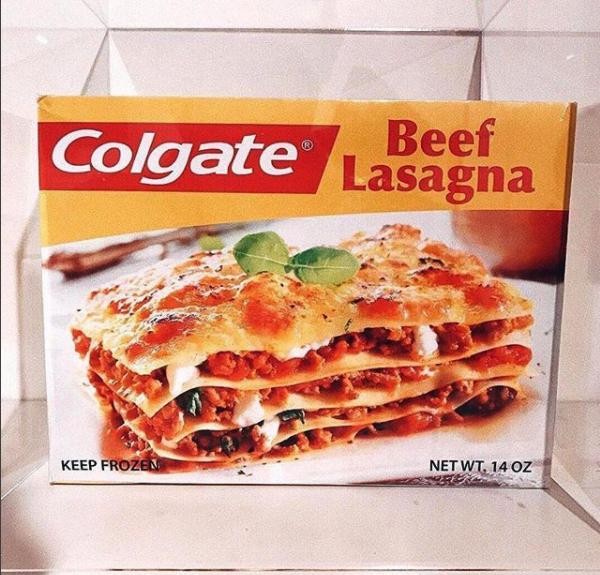
- Failed brand extensions, such as Colgate's beef lasagna, did not always cause long-term damage to the parent brand.
- Thorough market research was identified as being of paramount importance to reduce risk and avoid failure when launching a brand extension.
Transcript
Transcripts are auto-generated.
Announcer :
The Cambridge Marketing Podcast from Cambridge Marketing College, training marketing and PR professionals across the globe.
Kiran Kapur, Host :
My guest today is Thomas McAlinden. Thomas describes himself as a pracademic, which I think is a wonderful word to describe. He actually practises what he preaches. So he teaches marketing but also does marketing. Thomas, welcome to the show. I know one of the things you're very passionate about is brands and brand extensions. So can we start with what a brand extension actually means?
Thomas McAlinden, Tutor :
Yeah, of course. And thanks for having me on. A brand extension is quite simply where you take your own brand that you've got and you try and capitalise and leverage it and to apply it onto different products so you can enter new product categories or classes really. And it's really about making sure that you capitalise upon the equity of the original brand name. So in order to capture new market segments, that's really what brand extension ultimately is.
Kiran Kapur, Host:
So let's go back a stage because you talked about several things there. So you talked about brand equity. What's that?
Thomas McAlinden, Tutor:
Brand equity is kind of the value of the brand. It's all brand managers and organisations that have respective brands are aiming to make sure that they improve brand equity. And what that ultimately means is equity is another word for value. The equity is derived from you as a brand manager or as a marketer increasing brand awareness of your brand and thinking about what percentage of my target market know I exist. But secondly, with that, you need to also build strong positive brand associations so people think about your brand in a specific and also favourable light. By being able to do that and having that high brand awareness or increasing brand awareness and those positive strong brand associations will help lead to your brand becoming known and obviously kind of sought after. And with it, we start talking about building this brand equity and as such, if we do are able to build such a strong brand, then what we can do is then leverage that equity because people are familiar with it, because people trust it, because it can also act as a risk reducer, that we can then take that brand name and put it on other products as it were for our organisation to then give that product a better chance of success in the marketplace.
Kiran Kapur, Host:
Can you give me an example of a company doing
Thomas McAlinden, Tutor:
That? Yeah. Loads. You talk about Innocent has been one company that really has extended our brand massively sometimes successfully, sometimes not. So when you think of Innocent, you think of smoothies. So yes, they do that, but they've also got a range of other smoothies that they've entered that they've also launched it aimed for kids, but also they've got different things like fruit juices and everything else that kind of really fits with that brand. But they've also veered, some would argue that went away two away from the core association and they launched VegPots, which was unfortunately a failure for them. But there's a whole host of examples. Another one and a particular favourite of mine is Levi Roots. I don't know if you can remember Levi Roots when he was on Dragons Den.
Kiran Kapur, Host:
You'll have to remind me.
Thomas McAlinden, Tutor:
Yeah. The reggae reggae sauce man who was able to go on to there to get funding for his cooking sauce. Now what he's been able to do is build his brand around the kind of heritage and really the Jamaican flavours and everything else to go with it. And rather than just simply cooking sauces, you can go and Google this when you listen to this, and you can see about the pasties, the crisps, the brand partnerships that he's been able to have with Bird's Eye, drinks, pizzas, ready to cook meals. And he's been able to do that because he's been able to build such a strong brand and but then leverage that equity. And again, with the awareness and obviously the positive strong brand associations.
Kiran Kapur, Host:
Okay. So brand extension is something that brands can consider doing. You associate Caterpillar with big yellow diggers, but they also do safety equipment because you need that on big yellow diggers and that sort of area. Is this something that enables a brand to grow? Is that the idea for it?
Thomas McAlinden, Tutor:
Yeah. Brand extension is actually the dominant form of growth by organisations and you can think about that or know that when you go away and start looking at organisations and how they have grown. The reason being, again, the research is kind of clear in this with regards to the rate of success of even new brands versus brand extensions. And again, there's a higher likelihood or higher failure rate, as it were for new brands rather than a brand extension. So first and foremost, that's the kind of first reason why organisations use it. But also, because again, remember we're leveraging the brand equity, it helps us quickly expand market share relatively quickly, but also and perhaps more crucially, because consumers are aware of that brand, they're more willing to trust it. And with that, by leveraging that brand on the obviously new product that we've launched, it can also assist in increasing consumer acceptance, to enhance them actually taking buying this new product, but also enhancing its chances of success. So it is used by organisations and is the dominant form of new product introduction.
Kiran Kapur, Host:
So this is something like Kellogg's a little while back moving from the fact that you always had Kellogg's cereal at home, but moving into breakfast on the go and their breakfast bars.
Thomas McAlinden, Tutor:
Exactly. So when you think about brand extension, brand extension is not only just leveraging the brand equity to then end up on new kind of product categories or classes, but there's different types of brand extension, and with that we can talk about it being vertical or horizontal. Now vertical brand extension is where we're using the same brand but extending that within the same category. So let me kind of sum that up what that is. So that's like Coca-Cola still remaining within carbonated soft drinks and extending the brand from Coca-Cola to Diet Coke. That's still the same brand, as it were in the same kind of product category. Horizontal brand extension is where we're taking the same brand, whether it would be Coca-Cola, which is in soft drinks just now, but get into something completely new. So let's say they decided to develop a Coca-Cola water, that would then be a horizontal brand extension, and it's important to understand that there are the two different types vertical or line versus horizontal or category, but vertical brand extension is deemed to be the less risky, hence why it's chosen more often than not.
And again, just to remind you what that is, that's taking the same brand and launching a new product within the same category. There's less risk. It's more closely aligned with what you're known for, hence why it's being chosen. But the choice of method between those two are normally dependent upon how risk-averse the organisation is, but also how strong or the strength of brand equity and existing levels of brand awareness.
Kiran Kapur, Host:
Yes. I was in the supermarket yesterday, and I noticed that Tiptree who do my favourite jams, have jumped from ... I mean, they do jams and they do marmalades and all sorts of other spreads. So that would be a vertical line, but they've also now jumped into fruit cocktails, which you can say a logic to, but that's presumably that's horizontal because they've gone into a totally different type of marketplace.
Thomas McAlinden, Tutor:
And you start thinking about how they're able to do that and some would argue it relates to fit because there have been some brands that have really not done well like Colgate now surprisingly, many, many years ago when I first started this journey in marketing and especially focusing on brand Colgate, when I say that to you, you will think of toothpaste, but actually they surprisingly launched a beef lasagna and that's not made up-
Kiran Kapur, Host:
Seriously?
Thomas McAlinden, Tutor:
Yeah. You can go away, and you can Google that, and you can see how they try to move into food with Colgate. And again, this is something that we might pick up in today, but it's really about going no-go zones or some would argue about categorical fit. They're not alone. Cools is another one, a really interesting one, a beer brand that then launched a range of sparkling water, which was a monumental failure. And again, there's arguments over what is known as the fit hypothesis really coming into play here.
Kiran Kapur, Host:
What's the fit hypothesis?
Thomas McAlinden, Tutor:
The fit hypothesis is quite simply thinking about the perceived similarity, as it were, between that parent brand and obviously the category in which it's being applied with. So, for instance, when we talk about Colgate, the immediate thing that comes to mind is toothpaste and toothpaste is so far removed from food, as it were, that it makes it a bit difficult to make that kind of connection, which from a consumer's point of view, really starts thinking about has this reached or exceeded the perimeters of its brand extension. And Davidson in 1987, I think it was, came up with something called the perimeters of brand extension, talking about the further you move away from the core. Obviously, the more risk it is, but the more difficult it is to make this a success, and this really fits in nicely with the fit hypothesis. And this has been discussed and debated within the literature by numerous authors.
One that kind of comes to mind is Lahiri and Gupta in 2005, that study talking about that consumers are perhaps more likely to embrace a new product if there's deemed to be some degree of compatibility between the brand and the new category, and that's been looked at and studied extensively. And again, a really interesting author by Cellar in 2003 or 2008, I think it was, had to look at the central role of fit as well and showcase that it can be, but what they also discovered is that it can be bypassed. Fit isn't the be-all and end-all. It's actually what we can do as marketers, i.e. our use of the marketing mix can actually still make a success of some of these things, but there are occasions where these brands and what these brands are associated with, which we're trying to do and build brand equity, can possibly make life difficult to try and extend into categories that are really unrelated to it. And the Colgate and Beef Lasagna is a classic example of that.
Kiran Kapur, Host:
Yeah. I'm still struggling with the idea of Colgate, launched to be lasagna. You'd expect it to be minty flavoured.
Thomas McAlinden, Tutor:
You just can't get it.
Kiran Kapur, Host:
That again.
Thomas McAlinden, Tutor:
Exactly. Exactly.
Kiran Kapur, Host:
So are there any problems with extending? Could that actually ... If you're moving to Colgate and you do the Lasagna, can that actually affect the core original brand? Can it work?
Thomas McAlinden, Tutor:
Well, those arguments fall against this. As I say, there's various authors in academics as well as even practitioners that espouse the difficulty of what happens if this brand extension fails, does it impact upon the parent brand? And some have said, actually it can indeed have a detrimental effect on it, and inappropriate brand extensions can create damaging associations. Remember, that's what we're trying to build for our brand anyway, which may be difficult for a company to overcome. But I suppose I would then draw your attention back to Colgate with the toothpaste, but then moving into beef lasagna, that's not really impacted them. I think they're still the number one brand worldwide or thereabouts. BIC is another example where the guys that make the razor blades, and I think they've also make lighters, they actually created big pants in the past as well. And again, it's not really had that much of a negative impact upon them.
So the argument of whether a failure can impact upon the brand, there is some merit to it, but it doesn't always hold true with evidence. And again, last but by no means least, another favourite brand of mine is Virgin. Virgin, closely aligned to Richard Branson, they're very pro-risk, and he has launched lots of stuff over the years like Virgin Cola, Virgin Brides or Virgin Weddings. I think Virgin Brides, I think it was selling wedding dresses and things. And even though he's had a good number of failures, it's not really impacted upon the core brand version as it were. And I suppose that then just brings up this argument that actually we can still extend. We just need to obviously do research, and this is what's paramount importance, that we don't just do this because we think it might be a good idea. Everything needs to be based on data evidence, and insight and finding out consumers' reactions and whatnot, which I would've loved to be in the research of focus groups when Colgate were doing their research on their Colgate beef lasagna if they did do research.
Kiran Kapur, Host:
You do wonder how those conversations went. It's like the big boardroom. Yes, what we really need to do is we're going to a line of lingerie. How does that work? Exactly. I'm not sure there were some very good reasons. They've got some very bright minds working there, but it's very hard from the outside to look at it. So if you were thinking about brand extension, how can you avoid the failure? Would it be to go out and do the research?
Thomas McAlinden, Tutor:
Well, research is of paramount importance, not only if you're just simply a marketer. I always bring back to something that Mark Ritson, who writes for Marketing Week says, and if you truly are market-oriented, you've got this focus on the customer, and your goal is to obviously satisfy them, then you don't just do research; you depend upon it. And it's also the same case with regards to your brand, which obviously forms part of marketing. You are needing to make sure your brand becomes a success, and because businesses are very risk-averse in the most part, research is undertaken to try and reduce that risk and again, helps provide information which then aids good decision-making. Therefore, in order to try and do that is to not only do research, but then also think about the parameters of the brand extension. Is this too far away from the core association like Colgate and beef lasagna, which in a consumer, and when they think about your brand, can they make that association between it? But as Chen and Louis highlight to us, that brandfit does have a role as it were, but we as marketers and brand managers have got the marketing mix at the disposal, and again, we are able to influence consumers from our effective utilisation of the marketing mix.
Kiran Kapur, Host:
Thomas, that was great. Thank you. That was a really interesting overview of using brand extension for growth. We talked beforehand; I did warn you I was going to ask you for an acronym. We have a sort of growing list of them. Can I ask you for something to add to our list?
Thomas McAlinden, Tutor:
GTB, very simple. Growth through brand extension. It is the dominant form of growth for new product introduction. It's less risky than when creating new brands, but also you talk about less expensive and time-consuming because creating a new brand is time-consuming, and we can leverage that brand equity. So GTB.
Kiran Kapur, Host:
Thomas, that was absolutely great. Thank you very much indeed for your time.
Thomas McAlinden, Tutor:
No problem. Thank you very much for having me.
Announcer:
The Cambridge Marketing Podcast from Cambridge Marketing College, training marketing and PR professionals across the globe.
Kiran Kapur, Host:
That's it for this week's show. Next time we'll be looking at changes in the data protection laws post-Brexit.